


-
 Car Safety Seat 1 × $940.00
-
 Bus Safety Hammer 1 × $899.00
-
 Car Steering Wheel 1 × $756.00
-
 Transponder Car Key 1 × $723.00
-
 Safety Hand Glove 1 × $1080.00
Subtotal: $4398.00


Magazines cover a wide subjects, including not limited to fashion, lifestyle, health, politics, business, Entertainment, sports, science,
Car Safety Seat 1 × $940.00Bus Safety Hammer 1 × $899.00Car Steering Wheel 1 × $756.00Transponder Car Key 1 × $723.00Safety Hand Glove 1 × $1080.00Subtotal: $4398.00

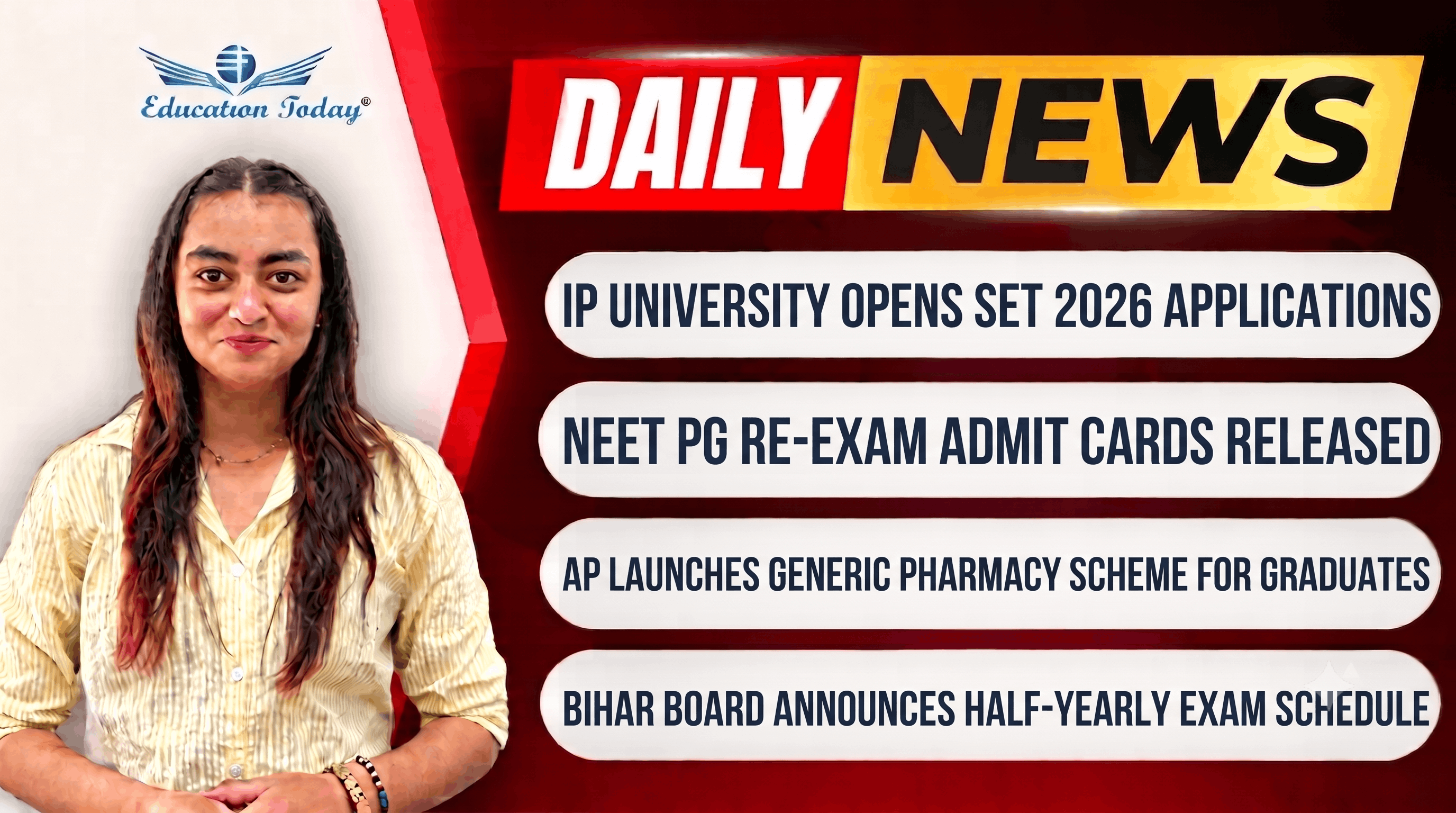
As India's education ecosystem undergoes rapid transformation, the focus is steadily shifting from academic administration to creating meaningful opportunities for learners. Recent developments across higher education, medical entrance examinations, vocational support and school...
As India's education ecosystem undergoes rapid transformation, the focus is steadily shifting from academic administration to creating meaningful opportunities for learners. Recent developments across higher education, medical entrance examinations, vocational support and school assessments reflect a broader commitment to strengthening accessibility, transparency and career readiness. Rather than operating in isolation, these initiatives collectively indicate how policymakers and institutions are responding to evolving industry demands. Unlike conventional reporting, EducationToday observes that the education sector is increasingly embracing an integrated approach, one that combines timely admissions, reliable assessment systems, employability initiatives and structured academic planning to support long-term learner success.
Key developments shaping the sector include:
For education leaders, these developments represent more than isolated announcements. They demonstrate a growing emphasis on aligning academic systems with workforce requirements, encouraging entrepreneurship and improving institutional accountability. As India's knowledge economy expands, collaboration between educational institutions, government bodies and industry stakeholders will become increasingly critical.
The sector's future will depend on policies that not only facilitate admissions and examinations but also foster employability, innovation and inclusive growth. Sustained investment in learner-centric reforms will ensure that education remains a powerful driver of economic and social progress.
As India's education ecosystem undergoes rapid transformation, the focus is steadily shifting from academic administration to creating meaningful opportunities for learners. Recent developments across higher education, medical entrance examinations, vocational support and school...
IP University has opened applications for its Special Entrance Test (SET) across professional programmes, reinforcing structured admission pathways
Daily News published on 03 September 2026 by EducationToday.
This Daily News is written for readers looking for the latest education updates.
Your comment will appear on the website only after admin approval. Required fields are marked *
Comments (0)
No approved comments yet. Be the first to leave a comment.