


-
 Car Safety Seat 1 × $940.00
-
 Bus Safety Hammer 1 × $899.00
-
 Car Steering Wheel 1 × $756.00
-
 Transponder Car Key 1 × $723.00
-
 Safety Hand Glove 1 × $1080.00
Subtotal: $4398.00


Magazines cover a wide subjects, including not limited to fashion, lifestyle, health, politics, business, Entertainment, sports, science,
Car Safety Seat 1 × $940.00Bus Safety Hammer 1 × $899.00Car Steering Wheel 1 × $756.00Transponder Car Key 1 × $723.00Safety Hand Glove 1 × $1080.00Subtotal: $4398.00

Researchers at the Indian Institute of Technology (IIT) Mandi have developed an innovative bio-inspired coating for 3D-printed bone implants that could address two major challenges in orthopaedic implant technology: bacterial infections and poor integration with bone. The researc...
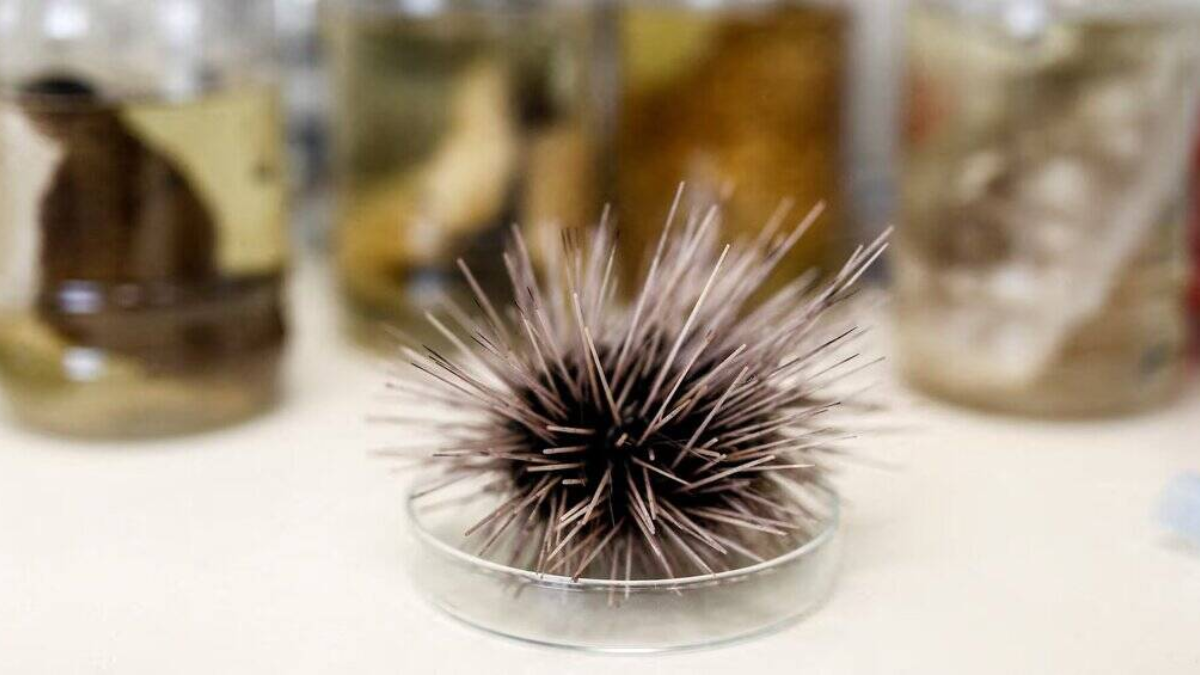
Researchers at the Indian Institute of Technology (IIT) Mandi have developed an innovative bio-inspired coating for 3D-printed bone implants that could address two major challenges in orthopaedic implant technology: bacterial infections and poor integration with bone. The research has been published in the Chemical Engineering Journal. The new coating draws inspiration from the microscopic structure of sea urchins. Researchers have developed tiny hydroxyapatite structures on biodegradable plastic scaffolds, creating a surface designed to mechanically disrupt bacteria while supporting the implant’s integration with surrounding bone tissue.
The researchers used polylactic acid (PLA), a biodegradable material that can be 3D-printed to match the shape of an individual bone defect. However, PLA is hydrophobic and does not naturally bond easily with bone. The newly developed coating aims to overcome this limitation.
The process involves activating the PLA scaffold with an alkaline treatment before subjecting it to hydrothermal treatment at 90°C. This results in the formation of sea urchin-like hydroxyapatite needle clusters on the implant surface.
This development highlights how biomedical innovation and biomimicry can contribute to safer and more effective medical technologies. As reported by EducationToday, research of this kind also demonstrates the growing role of advanced engineering and interdisciplinary science in addressing real-world healthcare challenges.
For TopEducationNews, the IIT Mandi breakthrough stands out as an example of how research institutions are translating scientific ideas into potentially meaningful healthcare applications.
Researchers at the Indian Institute of Technology (IIT) Mandi have developed an innovative bio-inspired coating for 3D-printed bone implants that could address two major challenges in orthopaedic implant technology: bacterial infections and poor integration with bone. The researc...
Sea urchin-inspired design: Needle-like hydroxyapatite clusters create a distinctive surface structure inspired by sea urchins
Top Education News published on 18 August 2026 by EducationToday.
This Top Education News is written for school leaders, parents, and educators following major education developments in India.
Your comment will appear on the website only after admin approval. Required fields are marked *
Comments (0)
No approved comments yet. Be the first to leave a comment.